
How to tell the Difference between Macro and Close-up Photography

What is Macro Photography?
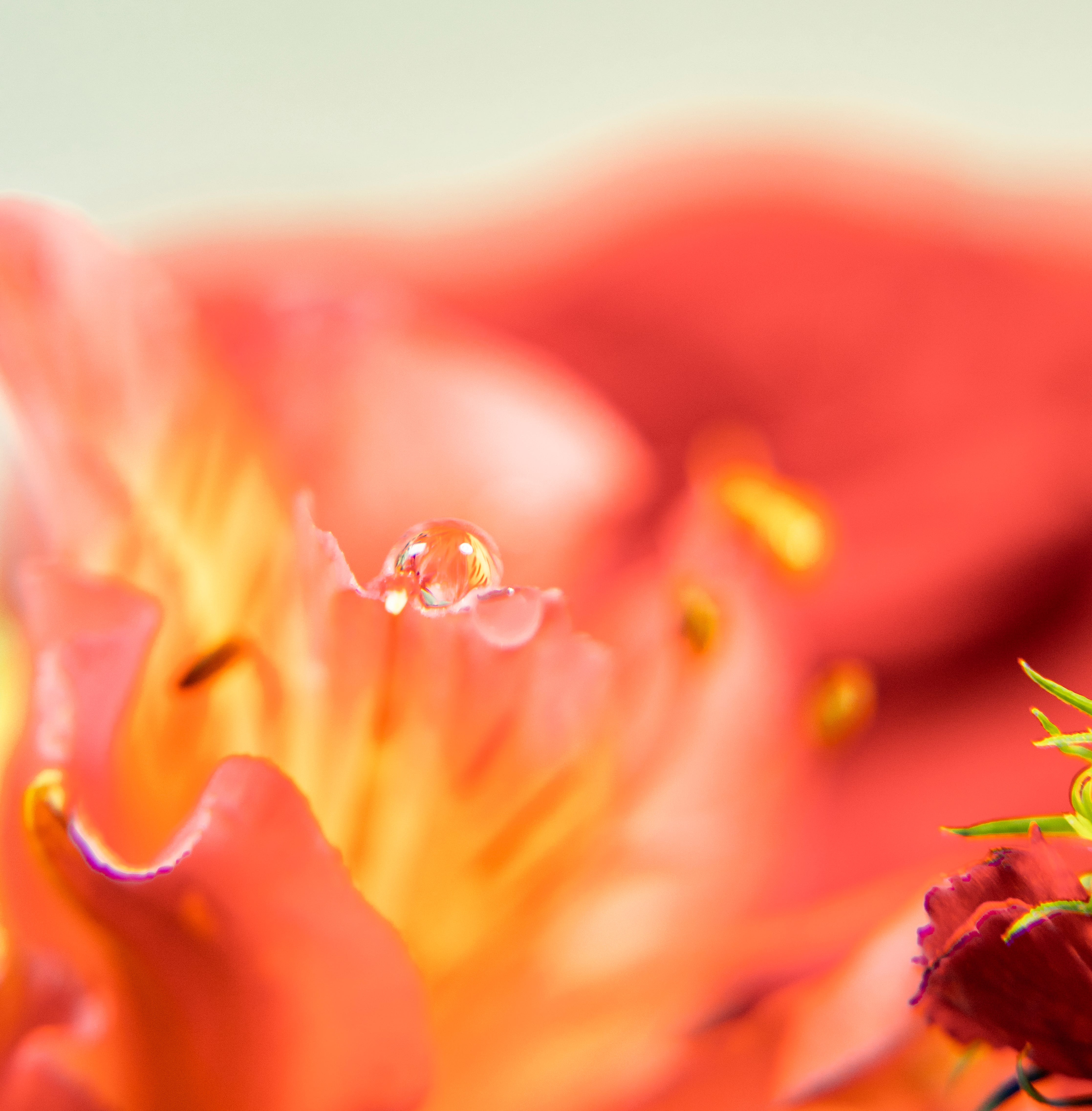
Macro Photography is a technique in photography where the photographer takes photos of small and tiny objects and makes them the image's main focus. Macro Photography can give you, the photographer, a whole new perspective on everyday objects or insects.
This technique in photography allows anyone to focus on the tiny details of items we look at every single day. Have you ever noticed on a snowy day how you can see every detail in the snowflakes? Imagine taking a photo of that and one snowflake filling the entire photo. It would look incredible, and you would be able to see all the little, normally invisible details in that snowflake. Check out The Ultimate Guide to Macro Photography for more information.
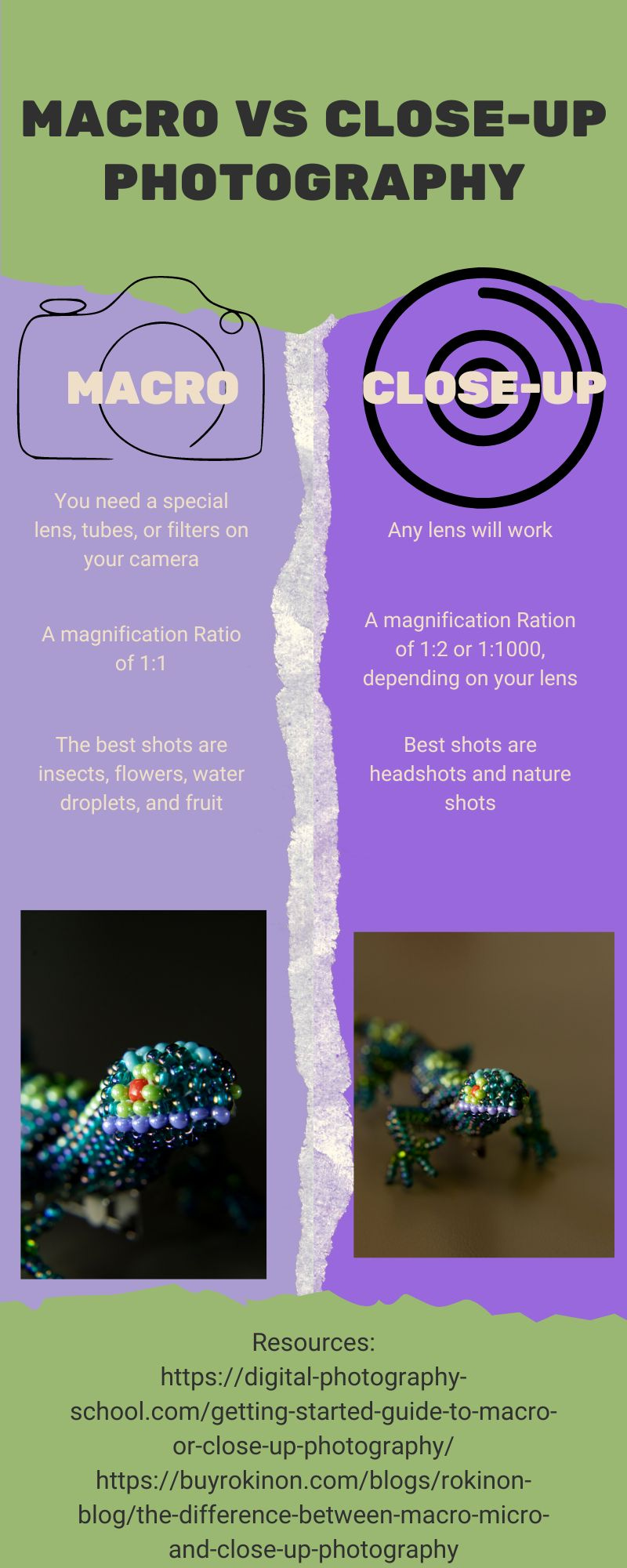
Macro photography requires other tools besides your DSLR or Mirrorless camera. You need to have a Macro lens, tube, or filter to achieve this style of photography. These range from $10 to $1000+, which is why I will also explain what Close-up photography is as a cheaper alternative to true Macro Photography.
What is Close-up Photography?
Close-up Photography is often confused with Macro photography. Achieving Close-up Photos is a lot easier than Macro Photography. Morris Didia from Rokinon Blog does an excellent job explaining what close-up Photography really is. Didia states, “You can use any lens to take close-up shots. Simply zoom in on your subject to give the viewer a closer look than they might get in real life.”
Close-up Photography allows you to see a little more detail than you can see with your naked eye but not that much more, not like Macro Photography. In Close-up photography, you can still tell a very compelling story about the object or item you are photographing. You are able to show the background and what is going on around it.
For instance, if I took a Close-up photo of a spider, you would be able to see the web forming around the spider, creating some sort of cage. It would lead you to think about what is going on with that spider and does he feel trapped and alone in there. Whereas if I were to take a Macro photo of the same spider, you would be able to see more of his features and not so much his surroundings. But this all has to do with the magnification of it all.
Difference in Magnification
Macro Magnification
For true Macro, the magnification has to be 1:1. Barry J Brady From Digital Photography School Explains more in-depth what that actually means. Brady states, “a macro lens has a magnification ratio of 1:1. What that means is that the lens can reproduce the subject onto the sensor at it’s actual life size. So if your subject is 20mm in size and it is captured as 20mm on the sensor, that means it has a 1 :1 ratio.” What this means is when I look at the photo on my camera after I take it, the subject will be the same size in real life, So when I print it larger, it will be way bigger than the object in real life.
Close-up Magnification
The magnification you achieve with Close-up Photography depends on the lens you are using; It can be anywhere from 1:2 to 1:1000. Going back to Didia, she says, “Your lens magnification tells you how big your subject is in relation to how big it appears in the camera. It refers to how big or small of an image your camera sensor can reproduce. The smaller the second number is, the closer in size the subject will be in comparison to real life.”
Most zoom lenses that photographers use to capture Close-up photos have a magnification of 1:2 to 1:3, which isn’t bad if you don’t want to spend a little money to achieve real Macro Photography.
What are the best things to Photograph?
In Macro
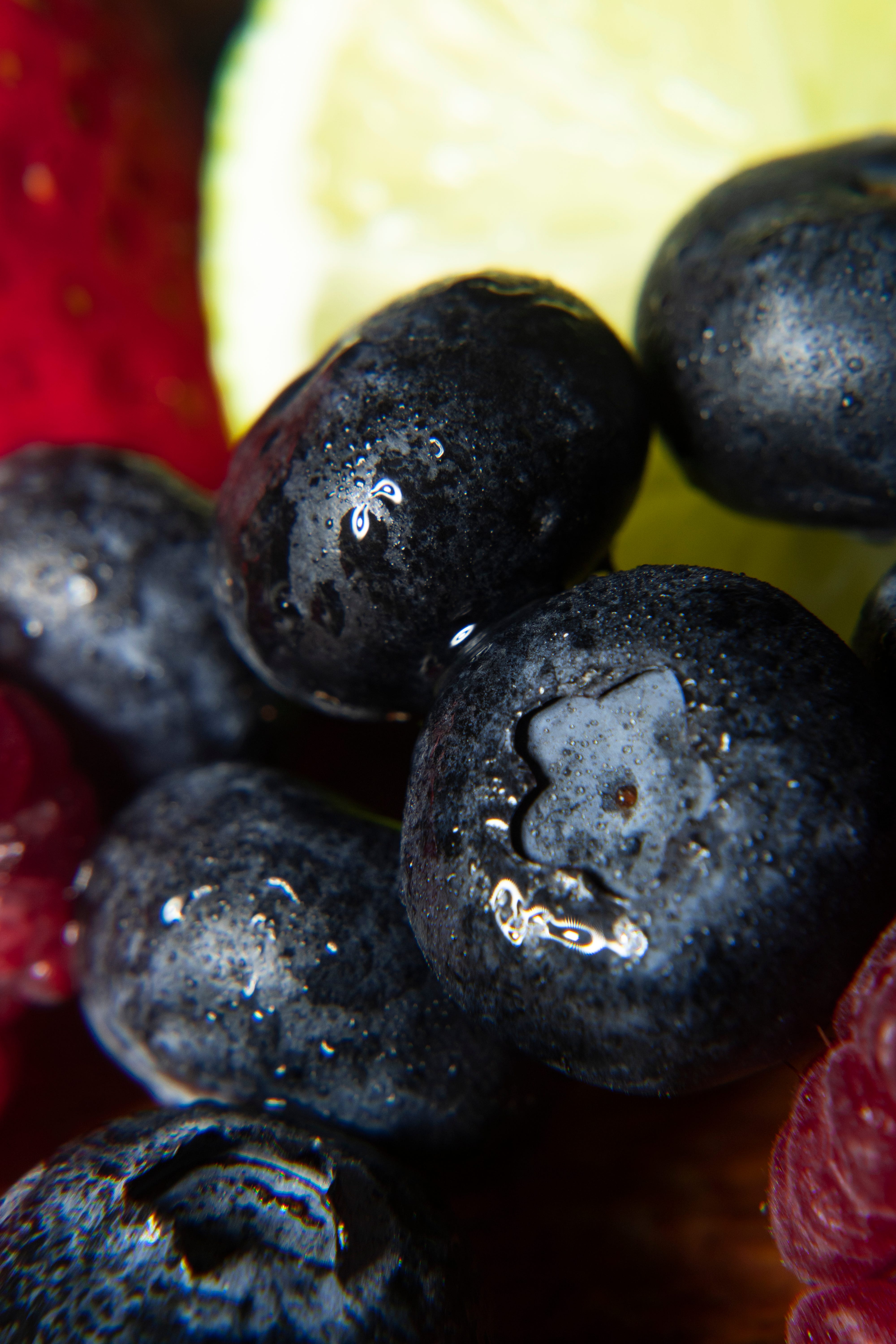
Some of the best things to photograph in Macro Photography are Eyes, insects, bugs, fruit, flowers, jewelry, coins, foreign money, shells, snowflakes, and water droplets. Macro photography is a great technique for photographing anything that has small and minuscule details. Something where you want to showcase the details you can not see with the naked eye.
My favorite thing to photograph at the moment in Macro is the Human eye. Everyone's eyes are so unique and different but you can’t really tell from looking at them. When you look at them through a Macro lens on your camera, you can see all the little fibers that make up the eye, all the colors and layers. It is amazing.
Close-up
Close-up photography can take beautiful photos of all the same things as Macro but in less detail. Close-up photography looks really cool when you are shooting portraits and Nature photos.
Subscribe to my blog to learn more fun tips and tricks for Macro Photography.
Go try out both Macro and Close-up Photography and share them with me on Twitter at https://twitter.com/MacrophotosCP